
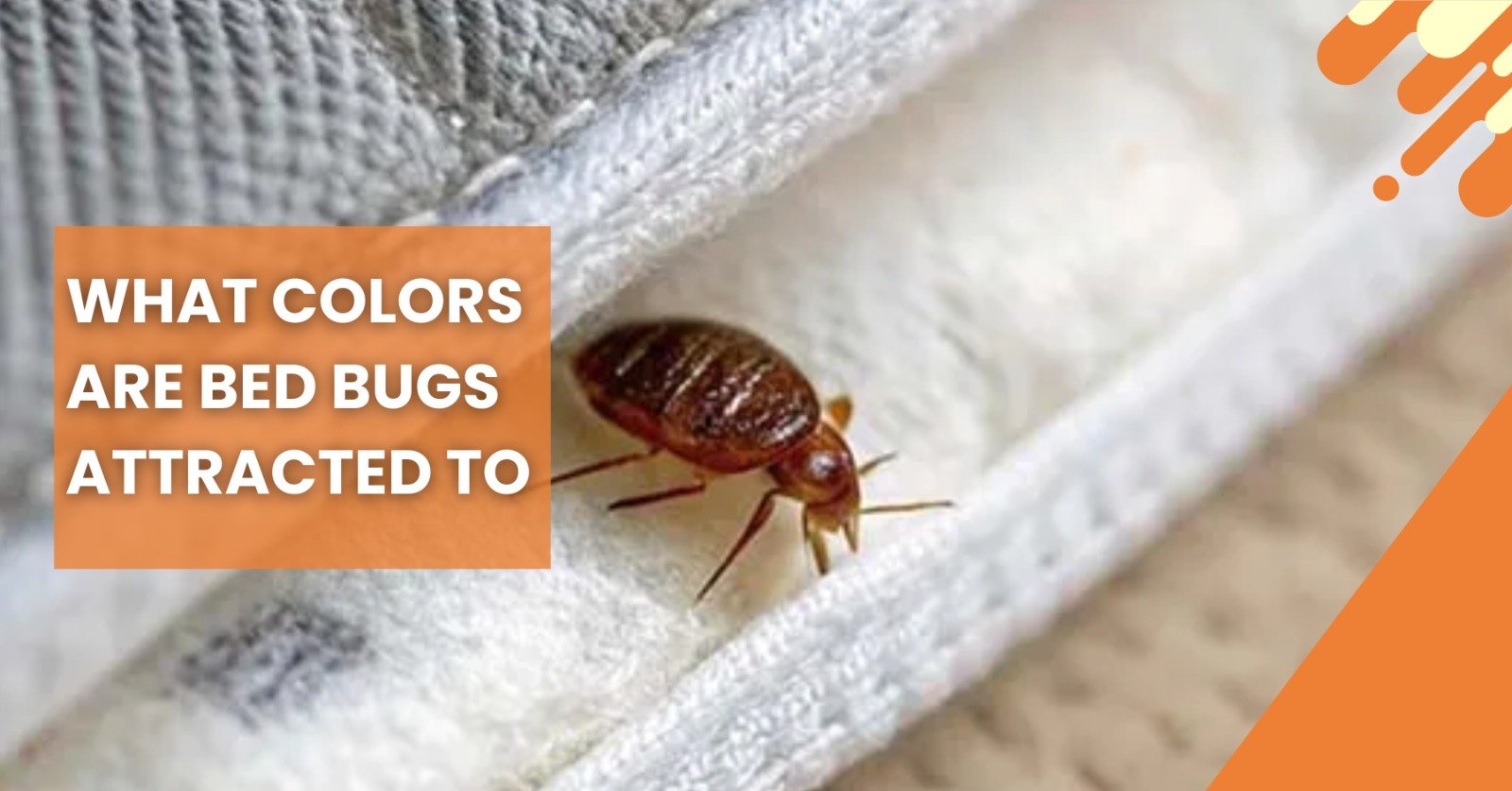
What Colors Are Bed Bugs Attracted To? (Illinois Guide)
Do bed bugs prefer certain colors?
In lab tests, bed bugs choose red and black harborages and avoided yellow/green this affects where they hide, not whether they bite. In real bedrooms, CO₂ and body warmth drive feeding, so use light bedding for visibility, encasements, and interceptors for early detection.
Free Bed Bug Inspection Today in Hanover Park & Nearby. Same-day/next-day options, IL-licensed techs, IDPH-aligned process.
Ever yanked back the sheets at 2 am, and wondered what colors are bed bugs attracted to in Illinois homes or hotels? Myths say “ditch red sheets” or “avoid black luggage,” especially around Hanover Park. The real story: color shapes where they hide, not whether they bite.
Lab tests show a leaning toward red/black and avoidance of yellow/green, but your body heat and CO₂ are the true magnets. In Illinois homes and apartments, focus on visibility and early detection light bedding to spot signs, encasements, and careful luggage checks rather than chasing a magic color
Quick Answer
If you’re asking what colors are bed bugs attracted to and how to prevent infestations in Illinois. Tests show a clear lean toward red and black and an avoidance of yellow and green, this affects where they hide, not whether they bite.
- Prefer: red, black
- Avoid: yellow, green
- Why it matters: darker shades mimic tight, “safe” harborages
Reality check: body heat and CO₂ drive feeding—color isn’t a repellant
In practice, choose light bedding to spot signs faster, use encasements on mattresses/box springs, and pair vigilance with proven controls (interceptors, inspections).
Why These Colors? | What the Research Actually Measured
In controlled lab tests, bed bugs chose colored “tents” that mimicked hiding spots: they gravitated to red/black and steered away from yellow/green. The effect was strongest in adults, and could shift with life stage, sex, and feeding status so it’s a hiding-place preference, not a feeding lure.
Dark shades resemble tight, shadowed crevices and even the look of clustered bugs (aggregation). Yellow/green likely read as brighter, exposed areas. Remember: CO₂, body heat, and human cues drive feeding; color mainly guides where they tuck themselves away.
- Lab = harborage choice; bedroom reality = many cues at once
- Preference helps design monitors/interceptors, not a “color repellent” strategy
- Use color knowledge for visibility (light bedding) and inspection, not as a standalone fix
Illinois pest control professionals confirm that light bedding also helps detect early signs of bed bug infestations
Sheets, Bedding & Furniture: What Actually Helps
Color won’t stop bites; it only nudges where bed bugs hide. Use light-colored bedding to spot fecal spots/eggs sooner, add mattress and box spring encasements, and keep nightstands/headboards easy to inspect.
Do regular checks of seams, tufts, and screw holes; reduce clutter near the bed; launder/dry on high heat; and place bed bug interceptors under bed legs. Prioritize visibility, sanitation, and proven monitoring over chasing a “repellent” shade.
Luggage & Travel
Color isn’t a shield on the road visibility and routine are. Lighter luggage can make hitchhikers easier to spot, but prevention comes from where you place bags and how you inspect.
Do this every trip:
- Keep suitcases off beds/soft chairs; use the luggage rack (inspect straps/tubes first).
- Quick room scan: mattress seams, headboard, nightstand joints; stash bags in the bathroom while you check.
- Keep bags zipped; use hard-sided cases or liners; avoid floor closets.
- On return: dryer on high (30–60 min) for machine-safe clothes before they touch the home.
- Inspect and vacuum suitcase seams/rails; store in a sealed bin between trips.
These steps are part of effective bed bug prevention tips for Illinois travelers.
Traps, Monitors & Interceptors
Color can influence where a bug chooses to tuck in, but capture rates depend far more on placement, surface texture, and host cues than on tint. Prioritize under-leg interceptors, tight gap monitors along baseboards/bed frames, and a clear inspection path around the bed.
Under-leg pitfall interceptors are supported by university guidance and field studies when properly placed.
Best practices that actually move the needle:
Combine with routines: high-heat laundry, vacuuming seams, encasements, and scheduled inspections to track trend lines.
Place interceptors under every bed/sofa leg; keep sheets from touching the floor; pull furniture 2–3 inches off walls.
Dust the inner wells of interceptors lightly (if recommended); keep them clean and labeled for weekly counts.
Add passive monitors in known hotspots (headboard/back of nightstand); avoid clutter that creates new harborages.
Bed Bugs in Illinois & Hanover Park: Local Reality
Multi-family housing, frequent travel through O’Hare, and dense suburbs mean steady bed bug pressure across Illinois Hanover Park included. Local cases often start with second-hand furniture or travel hitchhikers, then spread through unit-to-unit gaps and shared walls.
Know your guardrails: the Illinois Department of Public Health provides prevention/cleanup guidance, and Chicago’s ordinance (nearby market influence) outlines responsibilities for reporting and timely professional treatment. Use those standards as your baseline for documentation, prep, and follow-up.
Step-By-Step | If You Suspect Bed Bugs
| Step | Action | What to Do | Pro Tips (Illinois/Hanover Park) |
| 1 | Confirm the pest | Capture a specimen (tape to white paper) or clear photos; check mattress seams, headboard, baseboards for fecal spots, eggs, cast skins. | Good lighting + light sheets improve visibility; save photos with dates for records. |
| 2 | Contain & launder | Bag linens/clothes; run dryer on high (30–60 min) before washing; stage cleaned items in new bags/bins. | Heat first, wash second. Keep “clean” and “unclean” items separate to prevent re-infestation. |
| 3 | Deploy monitors | Place interceptors under every bed/sofa leg; label cups; check weekly; pull beds 2–3″ from walls; keep bedding off the floor. | Track weekly counts to see trend lines; replace dusty/dirty cups so bugs can’t climb out. |
| 4 | Prep the room | Reduce clutter within 5–8 ft of beds; vacuum seams/crevices; discard vacuum bag sealed; install mattress & box spring encasements. | Encasements speed inspections and protect post-treatment; focus on nightstands and screw holes. |
| 5 | Schedule licensed inspection/treatment | Ask about heat vs chemical, product list, follow-ups, and adjacent-unit checks (multi-family). | Use state-licensed pros; coordinate building access to prevent spread through shared walls. |
| 6 | Document & notify (rentals) | Keep a log of dates, photos, notices, receipts, and inspection notes. | Documentation supports timelines and responsibilities under local guidance/ordinances. |
Free Bed Bug Inspection in Hanover Park IL & Nearby
Ready for help today? Book a licensed Illinois bed bug inspection with Perfect Pest Control in Hanover Park, IL for same- or next-day service in Schaumburg, Streamwood, Bartlett, Roselle, and surrounding areas. Call +1 630-447-9777, or book Online, we’ll confirm a time and share a simple prep checklist.
Why Choose Perfect Pest: IL-licensed Professional, clear, upfront treatment plans (heat/chemical), apartment/HOA coordination, follow-up monitoring with interceptors, guidance aligned with IDPH best practices.
Live signs (fecal spots, cast skins, bites) or interceptors catching nymphs? Schedule your licensed inspection within 24–48 hours.
FAQs:
Lab tests show a preference for red/black harborages and avoidance of yellow/green. This affects hiding, not feeding.
No. Dark/red can be chosen as a hiding shade, but CO₂ and body heat drive feeding. Use light bedding to spot signs sooner.
Preferences can vary by life stage, sex, and feeding status. Adults typically show the clearest red/black lean.
Darker crevices mimic safe harborages. Prioritize encasements, decluttering, and routine inspections over paint/fabric color changes.
Lighter cases make hitchhikers easier to see. Prevention = rack use, room inspection, and high-heat treatment of clothes on return.
Use Illinois Department of Public Health (IDPH) checklists and Chicago Department of Public Health resources/ordinance for documentation, timelines, and treatment expectations.
Not meaningfully. Bed bugs choose tight, dark crevices for harborage; focus on encasements, interceptors, clutter reduction, and licensed treatment.