
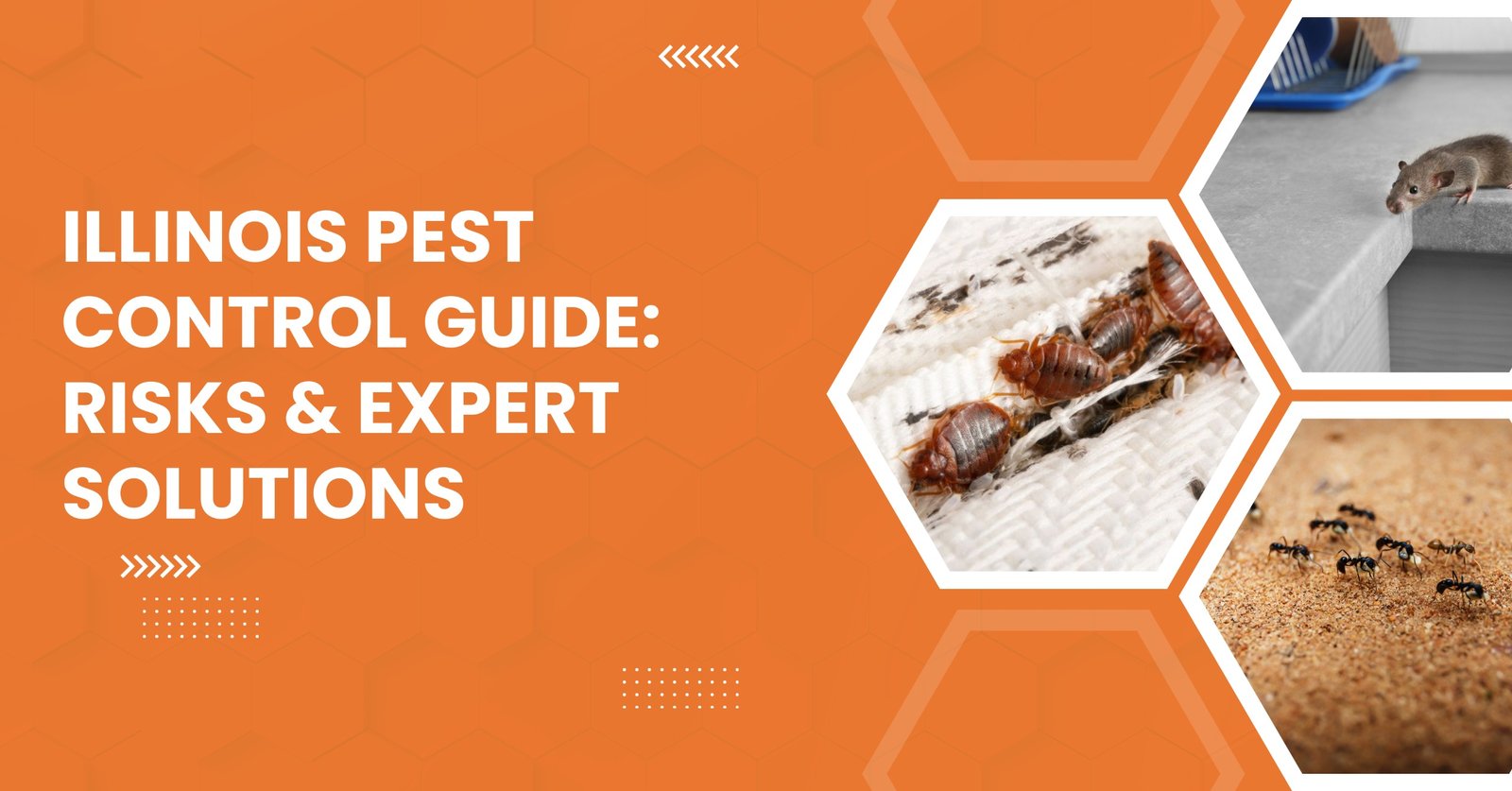
Illinois Pest Control Guide: Risks, Prevention & Expert Solutions
Pests don’t knock, they move in. If you’re searching Illinois Pest Control because ants, roaches, mice, or bed bugs showed up, you want fast relief that actually lasts. Across Chicago high-rises and Hanover Park, IL ranches, seasonal pressure is real: spring termite control, summer mosquitoes and wasps, fall boxelder and stink bugs, winter rodent control. The smartest path is Integrated Pest Management (IPM) inspection, sealing entry points, moisture and sanitation fixes, monitoring, then a targeted treatment plan using EPA-registered, child- and pet-safe options delivered by IDPH-licensed technicians.
This Illinois pest control guide focuses on practical prevention and expert solutions plus what affects cost and when DIY ends and a licensed exterminator is the safest call for ants, termites, rodents, cockroaches, spiders, mosquitoes, and bed bugs grounded in proven methods that protect homes state-wide and in Hanover Park.
Common Illinois Pests | Season-by-Season
In Illinois, different pests peak at different times using this quick guide to know what to watch for and when to act, including in Hanover Park, IL.
Spring
- Signs: ant trails in kitchens; winged termite swarmers on windowsills; paper-wasp nests on eaves; standing water breeding mosquitoes.
- Risks: food contamination (ant control), structural damage (termite control urgency), painful stings.
- Prevention: seal entry points, trim vegetation, repair moisture issues, install door sweeps and screens, empty water sources.
- Pro tip: schedule an inspection before peak swarming; catch conducive conditions early.
Summer
- Signs: dusk mosquito activity, roaches in warm/moist areas, spider webs in corners and garages.
- Risks: bites, allergens/asthma (cockroaches), stings around patios and play areas.
- Prevention: sanitation (crumbs/grease), dehumidify basements, maintain screens, treat wasp nests away from entries, manage trash.
Pro tip: combine source reduction with targeted treatments that are EPA-registered and child-/pet-safe.
Fall
- Signs: clusters of bugs on sunny siding; odors when crushed; gnawing sounds or droppings from rodents.
- Risks: indoor nuisance, wiring/insulation damage, food contamination.
- Prevention: exterior exclusion (caulk, weatherstrip, seal utility penetrations), screen attic/soffit vents, store food airtight.
Pro tip: treat entry points before cool nights drive pests indoors.
Winter
- Signs: rub marks and droppings along baseboards; sporadic stink/boxelder sightings inside; bed bug bites or specks on seams.
- Risks: disease exposure (rodents), appliance damage, sleeplessness and spread in multi-unit housing.
- Prevention: tighten sanitation, set monitors, store bird seed/pet food in sealed bins, reduce clutter, launder/dry on high heat.
Pro tip: pair monitoring and follow-up with professional rodent control or bed bug treatment when activity persists.
Local Note:
In Hanover Park (Cook & DuPage), summer mosquito pressure around yards and retention ponds can spike; fall is prime time for boxelder bugs and stink bugs on sun-facing walls. Emphasize exterior sealing/caulking, screen repair, and moisture control to cut pest control needs year-round.
Health & Property Risks | What’s Actually at Stake
Cockroaches aggravate allergies and asthma in kids and adults especially in multi-unit housing. Keep tight sanitation and schedule an inspection if you see droppings or smear marks.
Rodents chew wiring and insulation, contaminate food, and spread pathogens. Rub tracks, gnaw marks, or fresh droppings call for swift rodent control and exclusion at entry points.
Termites cause hidden structural damage. Swarmer at windows, mud tubes, or soft baseboards signal urgent termite control and moisture fixes.
Mosquitoes turn yards unusable and can transmit disease. Combine source reduction with targeted mosquito control.
Bed bugs don’t spread disease but cause bites, stress, and fast spread between units; persistent activity needs professional bed bug treatment and follow-up.
In Hanover Park, IL, mixed housing (town homes, apartments, single-family) means shared walls and utility chases, pair monitoring with quick pro help.
Act now
- Seal entry points, fix leaks/humidity, declutter; store food airtight and use monitors.
When activity persists, choose IDPH-licensed, EPA-registered & child- and pet-safe treatments.
Prevention Playbook: IPM the Illinois Way
| Phase | Key Actions | Specific Tips & Examples | Thresholds / Follow-Up |
| 1) Inspect & Identify | Look for trails, droppings, gnaw marks, moisture, structural gaps. Identify pest type. | Note whether it’s ants, roaches, or rodents to match the plan. | Use findings to pick monitoring tools and initial exclusion targets. |
| 2) Exclude (Seal Entry Points) | Seal cracks and gaps; tighten building envelope. | Caulk cracks, weatherstrip doors, add door sweeps, screen vents, seal utility penetrations. In basements/garages: install brush seals; repair siding/foundation gaps. | Re-check after treatments to verify seals held. |
| 3) Remove Attractants (Sanitation & Moisture Control) | Eliminate food, water, and harborage. | Store food in airtight containers, clean grease/crumbs, manage trash/recycling. Fix leaks, dehumidify below-grade spaces, redirect downspouts, remove standing water. | Moisture readings trend down; sanitation logs maintained. |
| 4) Monitor & Set Thresholds | Deploy monitors and track data. | Use sticky monitors, snap traps; log sightings with dates/locations. | If activity exceeds threshold (e.g., nightly rodent captures), escalate to targeted treatments. |
| 5) Targeted Treatments (Least-Risk First) | Apply precise, matched interventions. | Choose EPA-registered, child- and pet-safe options. Use baits, dusts, or residuals precisely; avoid broadcast misuse to prevent resistance. | Spot-check application sites; verify reduction vs. logs within 7–14 days. |
| 6) Follow-Up & Proofing | Re-inspect, refresh monitors, reinforce exclusion. | Re-inspect hot spots in 7–14 days; update logs so patterns are obvious in multi-unit buildings. | Continue cycle until below threshold; adjust exclusion/sanitation as needed. |
| Local Note – Hanover Park (Cook & DuPage line) | Mixed construction and utility chases need extra attention. | Prioritize sealing around chases, sump areas, and exterior weep holes. | Add these locations to the recurring inspection checklist. |
Bed Bugs in Illinois: Practical Control & Expectations
Bed bugs are common across Illinois and they don’t vanish on their own. Here’s what to expect, what not to do, and how pros actually eliminate them
What you’ll see first
Small bites or itchy lines, tiny black specks on seams, shed skins near the headboard, or live bugs at night. In apartments and town homes, activity can spread through walls and utility chases.
How to prepare
- Bag and launder bedding/clothes on high heat; dry thoroughly.
- Reduce clutter; use sealed bins (not cardboard).
- Pull beds 6–8″ from walls; install mattress/box spring encasements.
- Vacuum seams/crevices; empty the canister outside.
What an effective program includes
- Detailed inspection (beds, sofas, baseboards, outlets, shared walls).
- A written treatment plan using eco-friendly , child- and pet-safe methods (targeted residuals, dusts, or heat where appropriate).
- Follow-up visits (usually multiple) with monitoring traps to confirm knockdown.
What not to do
- Don’t spray over-the-counter products randomly (can scatter bugs and reduce control).
- Don’t toss furniture before inspection (you can spread bugs to hallways/curb).
- Don’t pause laundry or prep between visits. Consistency is key.
When to call a pro
If you’re finding fresh bites or live nymphs/adults after basic prep, schedule bed bug treatment with an IDPH-licensed exterminator. Ask for documentation of findings, treatment products, and re-inspection dates.
Emerging Pest Watch: Spotted Lanternfly
If you garden, commute, or move outdoor gear, this matters: a few missed egg masses can turn into thousands of sap-sucking pests by summer.
Why it matters
The spotted lanternfly (Lycorma delicatula) threatens shade trees, fruit trees, and landscape plants. Adults congregate on trunks and patios, leaving sticky honeydew that attracts ants and wasps and encourages sooty mold messy and hard to ignore.
How to identify fast
- Egg masses: gray, putty-like smears on trees, fences, vehicles, or outdoor gear.
- Nymphs/adults: high-contrast black/red nymphs in spring–summer; moth-like adults with spotted forewings late summer–fall.
What to do now
- Inspect & scrape egg masses into alcohol or a sealed bag; dispose in trash.
- Don’t transport firewood, yard waste, or outdoor equipment without checking for egg masses.
- Band & monitor host trees (esp. tree-of-heaven) and log sightings; consider targeted, EPA-registered treatments if pressure is high.
- Report suspected finds to state authorities; quick reports help slow spread.
Local note:
In Hanover Park, IL with frequent commuting and inter-county travel check outdoor furniture, trailers, and playsets before moving them. Pair monitoring with regular inspection of yard trees and fences.
Not sure whether to DIY or call a pro? This quick comparison sets realistic expectations for Illinois homes and apartments.
DIY vs. Professional Bed Bug Control
DIY:
If the signs are light and you’re ready to prep hard, a do-it-yourself approach can cut costs. Just know it often takes weeks, multiple checks, and strict follow-through.
Professional:
Pros find sources you can’t see, treat safely around kids/pets, and reduce reinfestation with sealing and monitoring.
Still deciding? Read our full guide on DIY vs. Professional Pest Control
| Factor | DIY | Professional (Licensed) |
| Up-front Cost | Low–Medium (retail baits, sprays, traps) | Medium (inspection + tailored plan) |
| Total Cost Risk | Higher if issues linger/recur | More predictable with scoped treatments |
| Speed to Results | Slower; multiple attempts common | Faster; structured visit cadence |
| Effectiveness | Variable; easy to miss sources/entry points | High with inspection + targeted products/exclusion |
| Safety & Compliance | Risk of misuse/overapplication; label limits | Trained applicators; EPA-registered products; compliance |
| Scope/Complexity | OK for small, single-pest problems | Best for multi-pest, whole-home, or exterior + interior |
| Multi-Unit/Shared Walls | Hard to coordinate alone | Building-wide plans and neighbor notifications |
| Long-Term Prevention | Limited without sealing/exclusion | Includes sealing, sanitation guidance, monitoring |
| Warranty/Follow-Up | None | Often included—ask for terms |
| Best For | Minor ant/roach sightings, occasional invaders | Rodents, termites, roaches at scale, wasp nests, recurring issues |
Legal & Local Know-How
(Licensing, Vetting a Pro, Chicago Rules)
Choosing the right help matters. Illinois requires IDPH-licensed professionals, and Chicago has extra bed bug rules, so knowing the basics keeps you compliant and protected state-wide, including Hanover Park, IL.
Why licensing matters
Illinois requires structural pest control businesses and Professionals to be IDPH-licensed. Licensing helps ensure correct product use, record-keeping, and consumer safety key, for apartments, schools, childcare, and food facilities.
How to Choose a Company
- Ask for license number and proof of insurance.
- Request an inspection with a written treatment plan, products ( EPA), and follow-up schedule.
- Confirm they practice Integrated Pest Management (IPM): exclusion, sanitation, monitoring, least-risk first.
- Clarify warranty terms (what’s covered, length, re-treats).
- Get prep instructions (e.g., bed bug treatment or rodent control proofing) in writing.
Chicago bed bug rules
- Landlords must arrange prompt bed bug remediation after report/notice.
- Tenants must cooperate with prep and access.
Many buildings require documentation of inspection/treatment and unit-to-unit checks.
Paperwork to keep
Inspection notes, monitor logs, product labels/SDS, and service reports especially in multi-unit housing where patterns matter.
Why Choose Perfect Pest
Licensed expertise, local results. Our Illinois team uses Integrated Pest Management (IPM) inspection first, prevention and exclusion next, then targeted treatments with EPA-registered , eco-friendly , child- and pet-safe options. Perfect Pest visit includes a written treatment plan, transparent pricing, and scheduled follow-up.
What sets us apart
- IDPH-licensed technicians for safe, compliant Illinois Pest Control.
- Fast same- or next-day service state-wide in Hanover Park, IL.
- Seasonally tuned programs: ants, rodent control, termite control, cockroach exterminator treatments, mosquito control, spiders, and bed bug treatment.
- Precision inspection tools, moisture checks, and entry-point sealing to prevent re-infestations.
- Clear reports (products, areas treated) for homeowners, HOAs, and multi-unit housing.
Our promise
Reduce risk, stop active infestations, and harden your home against future issues with methods that respect your family, pets, and property.
Pricing & Scheduling
Know what to expect before you book. This Illinois Pest Control section explains how pricing works, what drives costs, and how to schedule fast, reliable service state-wide including Hanover Park, IL.
What affects cost
- Pest & severity: Light ant activity vs. widespread bed bug treatment or termite control requires different time and materials.
- Home size & access: More square footage, clutter, or multi-level units increase inspection/treatment time.
- Follow-ups & warranty: Integrated monitoring and follow-up visits improve results and factor into pricing.
- Prevention add-ons: Exclusion (sealing entry points), moisture control, and sanitation support reduce future spend.
How scheduling works
- Same- or next-day service state-wide, including Hanover Park, IL.
- Start with a targeted inspection and written treatment plan.
- Prep checklists provided for rodent control, cockroach exterminator work, or bed bug prep.
- Clear window times, text alerts, and post-visit reports (products used, areas treated).
Ways to save
- Bundle seasonal services (spring ants + summer mosquito control).
- Opt for an IPM-based maintenance plan to prevent re-infestations.
Service Areas & Fast Help
Same- or next-day scheduling across Illinois with routes covering cities, suburbs, and mixed housing. We proudly serve Hanover Park, IL and nearby Schaumburg, Bartlett, Streamwood, Roselle, and Bloomingdale.
How to get help now
- Call for a quick inspection and written treatment plan (ants, termite control, rodent control, bed bug treatment, mosquito control).
- Ask for IDPH-licensed Professionals using, child- and pet-safe options.
- Tell us your city and ZIP (e.g., Hanover Park 60133) for fastest routing.
Where we work
Chicago • Aurora • Naperville • Schaumburg • Hanover Park • Elgin • Joliet • Rockford • Waukegan • Peoria • Springfield • Champaign • Bloomington • Decatur • Evanston • Arlington Heights