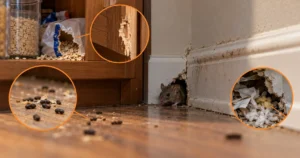

Bed bugs are difficult to find because they spend most of their time inside small, dark spaces near sleeping and resting areas. If you are trying to identify an infestation, learning the Signs of Bed Bugs in Illinois can help you know what to look for before the problem spreads. Mattresses, box springs, bed frames, couches, furniture, baseboards, and cracks are some of the most common places where bed bugs may hide.
Homeowners who already suspect an infestation may also want to review Bed Bug Control Services in Illinois and Pest control Illinois options. Knowing where bed bugs hide can help you inspect the right areas first and decide whether professional help may be needed.
This guide explains the most common bed bug hiding places, how to inspect your home, where eggs may be found, and when it may be time to call a pest control professional.
Where Do Bed Bugs Hide During the Day?
Many homeowners wonder where do bed bugs hide during the day because these insects often seem to disappear when people are active.Bed bugs usually stay inside narrow, protected spaces during the day. They often remain close to beds, couches, and other places where people spend long periods resting.
Start your inspection around the sleeping area.Check mattress seams, box springs, bed frames, headboards, nightstands, and baseboards.As an infestation grows, bed bugs may move farther away and hide inside furniture, cracks, wall gaps, curtain folds, or other small spaces.
Where Do Bed Bugs Hide in Mattresses?
If you are wondering where do bed bugs hide in mattresses, begin with the seams and edges.
Bed bugs have flat bodies that allow them to fit into very small spaces.
Check the mattress piping, seams, labels, handles, corners, folds, and fabric edges.
Do not inspect only the top surface.Lift the mattress and inspect underneath it. Check the box spring carefully, especially around staples, seams, fabric edges, and corners.Look for live insects, dark spots, pale shed skins, small eggs, and reddish stains.
Where Do Bed Bugs Hide in Bedrooms?
Understanding where do bed bugs hide in bedrooms means checking more than the mattress.Bed frames and headboards can provide many small hiding areas because they have joints, screw holes, cracks, and narrow openings.Bed bugs may also hide around nightstands, baseboards, picture frames, curtain folds, and objects stored under the bed.
Check these areas carefully:
- Bed frame joints
- Behind the headboard
- Box spring edges
- Nightstands
- Baseboards
- Curtain folds
- Picture frames
- Items under the bed
If the infestation becomes larger, bed bugs may spread farther through the room.
Common Bed Bug Hiding Places
Some common bed bug hiding places are easy to miss.
Bed bugs prefer dark, narrow, protected areas where they can remain close to a person.Possible hiding locations include mattress seams, box springs, bed frames, headboards, couches, chairs, furniture joints, baseboards, wall cracks, curtain folds, luggage, and clutter.They may also hide inside small openings around fixtures or furniture.The closer an item is to a sleeping or resting area, the more carefully it should be inspected.
Where Do Bed Bugs Hide in Furniture?
If you are trying to understand where bed bugs hide in furniture, focus on cracks, joints, seams, and hidden surfaces.Wooden furniture may have openings around screws, drawer joints, corners, and backing panels.
Upholstered furniture can provide hiding places around seams, zippers, cushions, folds, and fabric underneath the piece.Nightstands, dressers, chairs, recliners, and sofas can all become hiding areas.Furniture located near a bed should be checked first because bed bugs often stay close to where people sleep.
Can Bed Bugs Hide in Couches?
Yes. If you are asking can bed bugs hide in couches, the answer is yes.Couches provide many protected spaces where bed bugs can hide.Check between cushions, along seams, around zippers, under the couch, and inside fabric folds.Also inspect the couch frame and areas where fabric is attached underneath.Couches may become especially important hiding places if someone regularly sleeps or rests on them.If bed bug activity appears in the living room, upholstered furniture should be inspected carefully.
Can Bed Bugs Hide in Carpet?
Homeowners sometimes ask can bed bugs hide in carpet.Bed bugs can sometimes be found around carpet edges, especially where carpet meets walls or baseboards.They usually prefer protected spaces rather than the open middle of a carpet.Focus on carpet edges near beds, couches, chairs, and other furniture.They may also hide under loose carpet sections or near cracks around the floor.Vacuuming can remove some insects, but it is not enough to control an established infestation by itself.
Do Bed Bugs Hide in Walls?
Yes. The question do bed bugs hide in walls becomes more important when an infestation is larger.Bed bugs may enter cracks, gaps around baseboards, spaces behind loose wallpaper, and openings around fixtures.They may also hide where walls and ceilings meet.In apartments and other multi-unit properties, gaps inside walls can sometimes allow bed bugs to move between nearby areas.
If you continue seeing signs after inspecting the bed and furniture, nearby wall areas may need closer attention.
Can Bed Bugs Hide in Electrical Outlets?
Yes, can bed bugs hide in electrical outlets is a common question.Bed bugs may sometimes hide around outlet covers, switch plates, and nearby wall openings.This is more likely when an infestation has spread beyond the bed.Do not spray liquid products into electrical outlets.Doing so may create an electrical or fire hazard.
If you suspect insects are hiding around electrical fixtures, a professional inspection is safer.
Where Do Bed Bugs Lay Eggs?
If you want to know where do bed bugs lay eggs, look in many of the same areas where adult bed bugs hide.Eggs may be found inside mattress seams, furniture cracks, box springs, bed frames, and other protected spaces.Bed bug eggs are very small and easy to miss.You may find them near dark spotting, shed skins, or live bugs.Careful inspection with a flashlight can make them easier to notice.Finding eggs usually means there is active bed bug activity nearby.
How to Find Bed Bugs in Your Home
Learning how to find bed bugs in your home starts with checking the places closest to where people sleep.Use a flashlight and inspect slowly.Begin with the mattress and box spring.Check seams, piping, corners, labels, and fabric edges.Then inspect the bed frame and headboard.After that, move outward toward furniture, baseboards, curtains, and nearby walls.Look for live bugs, dark fecal spots, shed skins, eggs, or small reddish stains.Do not depend only on bites because many other conditions can cause similar skin marks.
How to Check Your Home for Bed Bugs
Knowing how to check your home for bed bugs can help you find an infestation earlier.Start with one room.Do not move belongings from room to room while inspecting.Remove bedding carefully and examine the mattress.Inspect the box spring, frame, and headboard before checking nearby furniture.Use a flashlight to look inside cracks and narrow spaces.Check couches and chairs if people regularly rest or sleep on them.If you recently traveled, inspect luggage and bags before storing them near bedrooms.Moving infested items can spread bed bugs to other parts of the home.
What Are the Signs of Bed Bugs in Illinois Homes?
Several signs of bed bugs in Illinois homes may indicate hidden activity.
Dark spotting is one of the most common clues.These small black or brown marks may appear around mattress seams, furniture, bedding, or bed frames.
Other signs include:
- Live reddish-brown bugs
- Small pale eggs
- Shed skins
- Rust-colored stains
- Bugs inside mattress seams
- Activity around furniture joints
A musty or sweet odor may sometimes be noticeable when an infestation becomes larger.However, smell alone is not enough to confirm bed bugs.
Why Do Bed Bugs Hide Near Beds?
Bed bugs stay close to beds because they feed on blood.Remaining near a sleeping person allows them to reach a host and return to a protected hiding place.That is why early infestations are often concentrated around mattresses, box springs, headboards, and bed frames.As populations grow, bed bugs may move into furniture, baseboards, walls, and other nearby areas.Clutter can also create more hiding spaces and make inspection harder.
For more information about bed bug behavior, homeowners can read What Attracts Bed Bugs in Illinois and What Colors Are Bed Bugs Attracted To? to understand some of the factors connected with where these pests hide.
How Can You Reduce Bed Bug Hiding Places?
You cannot prevent every bed bug from entering your home, but you can make inspection easier.
Reduce clutter around beds and couches.Inspect used furniture before bringing it inside.Consider mattress and box spring encasements made for bed bug management.Vacuum around beds, baseboards, furniture edges, and upholstered items regularly.Keep luggage away from sleeping areas after traveling until you have inspected it.Making hiding areas easier to see can help you notice activity sooner.
What Should You Do If You Find Bed Bugs?
Finding a suspected bed bug does not mean you should immediately throw away your mattress or furniture.
First, confirm what you found.If possible, place the insect inside a sealed container or bag for identification.Then inspect the surrounding areas carefully.Avoid moving furniture or belongings to another room.If bed bug activity is confirmed, consider professional treatment before the infestation spreads.
Homeowners comparing treatment expenses can also review How Much Does Bed Bug Treatment Cost in Illinois and Bed Bug Extermination Cost in Chicago before deciding on the next step.
When Should You Call a Bed Bug Professional?
Professional help may be useful when you find live bed bugs, eggs, repeated dark spotting, shed skins, or signs in several areas.You should also consider professional help if the problem continues after your own inspection.Bed bugs can hide deep inside cracks, furniture, walls, and other spaces that are easy to miss.A professional inspection can help determine how far the infestation has spread and which areas need attention.
Need Help With Bed Bugs in Your Illinois Home?
If you have found suspicious stains, shed skins, eggs, or live insects, Perfect Pest Control LLC can help inspect the affected areas and determine the next step.A proper inspection can help identify where bed bugs are hiding, how far they have spread, and what type of treatment may be appropriate.Call Perfect Pest Control LLC at (630) 447-9777 to discuss the signs you are seeing and arrange an inspection.
Finding the source early can make it easier to deal with the infestation before it spreads farther through the home.
Frequently Asked Questions
1. Where is the first place I should look for bed bugs?
Start with your mattress, box spring, bed frame, and headboard. Check seams, corners, joints, piping, and small cracks.
2. Can bed bugs hide somewhere other than a bed?
Yes. Bed bugs may hide in couches, chairs, dressers, baseboards, walls, curtain folds, and other protected spaces.
3. Can bed bugs hide inside walls?
Yes. They may hide inside cracks, gaps, wall voids, and openings near baseboards or fixtures.
4. How do I know if bed bugs are hiding in my mattress?
Look for live bugs, dark spots, eggs, shed skins, or reddish stains around seams, corners, and edges.
5. Do bed bugs stay hidden during the day?
They often remain in protected areas during the day, but they can sometimes be seen during daylight, especially in larger infestations.
6. Should I throw away furniture with bed bugs?
Not always. Some furniture can be professionally treated. Moving or discarding infested furniture incorrectly may spread bed bugs to other areas.